
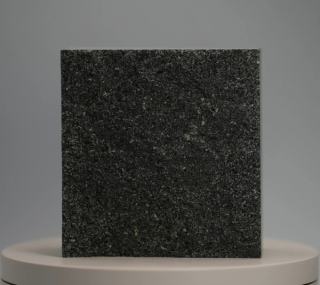
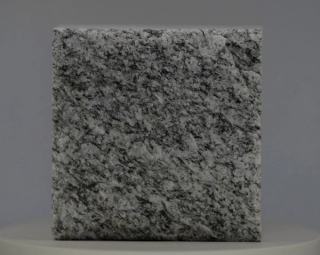
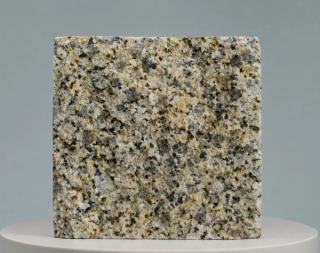
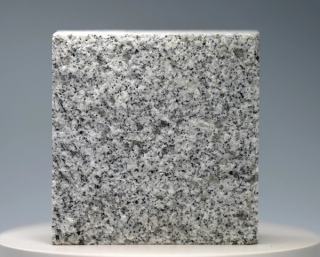
Most ordinary horse-hoof stone on the market is produced using a mixture of materials from multiple quarries, which is the primary source of hidden risks in low-priced goods. To reduce raw material costs, small-scale processing plants purchase stone from different mining areas and strata and mix them together for production. The mineral composition, hardness and density of granite from different quarries vary vastly, resulting in inconsistent quality across the entire batch. In contrast, high-quality horse-hoof stone is sourced exclusively from a single primary quarry and processed from a single stratum. This ensures uniform base properties, guaranteeing consistent quality from the outset.
The most obvious issue with standard mixed-source horse-hoof stone is its inconsistent overall performance. Within a single batch, some stones are hard whilst others are porous, resulting in vastly different load-bearing capacity and weather resistance once laid. After six months of outdoor use, stones made from porous ore will be the first to show surface flaking and localised weathering, leaving the entire pavement looking patchy and uneven, with some sections appearing new whilst others are damaged. In contrast, high-end products from a single quarry age at a uniform rate across the entire area, maintaining consistent appearance and performance over the long term.
Mixed quarry sources also exacerbate colour variation issues. Stone from different quarries varies significantly in base colour and texture; even after standardised processing, the finished product will exhibit a patchwork of dark grey, light grey and mottled hues, completely disrupting the visual impact of the landscape design. Overseas designers have stringent requirements for overall uniformity, and such mixed-source products are often rejected outright. Furthermore, the sorting of mixed materials relies entirely on rough manual screening, making precise classification impossible; hidden cracks and soft materials are consequently mixed into the finished product.
To mitigate risks during procurement, randomly select several stone samples for comparison of base colour and texture. If distinct differences in stone quality are visible to the naked eye, it can generally be concluded that the material is a mixed batch from various quarries. While ordinary mixed-batch horseshoe stone may appear inexpensive per unit, the costs of subsequent repairs, replacements and rework will continue to rise. Opting for high-quality stone from a single quarry involves a slightly higher initial investment but guarantees the project’s final appearance and long-term stability; this is also the mainstream selection criterion for large-scale overseas projects.
In cross-border trade, there are numerous after-sales disputes involving full container loads of mixed-origin stone. Long-distance logistics combined with cross-border communication make the process of asserting one’s rights time-consuming and labour-intensive. Distinguishing between different quarry sources and rejecting mixed materials from multiple quarries is the first step in purchasing horse-hoof stone and a crucial link in quality control.