
Granite cobblestone pavers, commonly referred to as granite setts or granite cobbles, have long been used in European landscape architecture. From luxury villa driveways and private estates to boutique hotel entrances, commercial plazas and historic streetscapes, natural granite paving offers a distinctive combination of architectural character, durability and design flexibility.
Granite is valued for its wear resistance, weathering performance and distinctive natural texture. However, successful landscape paving depends on more than the appearance of the stone. Dimensions, thickness, surface finish, laying patterns and pavement construction all influence the finished result and long-term performance.
This guide explains the differences between granite setts, cobblestones and paving cubes, along with the key considerations for specifying natural granite paving in residential, commercial and public landscape projects.
1. Granite Cobblestone Pavers, Setts and Paving Cubes: What Is the Difference?
The terms granite setts, granite cobblestones and paving cubes are often used interchangeably in the international natural stone market. However, there are important distinctions, particularly in UK and European paving specifications.
Granite setts generally refer to dressed natural stone paving blocks with defined dimensions. They are widely specified for driveways, pedestrian areas, public squares and traditional streetscapes. Their relatively consistent shape allows designers to create controlled joint patterns and structured paving layouts.
Granite cobblestones is a broader commercial term commonly used for small-format granite paving. Historically, cobblestones referred to naturally rounded stones, while setts described deliberately shaped paving blocks. This distinction remains relevant when preparing technical specifications.
Granite paving cubes typically describe small, approximately square stone units used for garden paths, courtyards, decorative borders and curved paving arrangements.
Because these terms may overlap in commercial use, architects and contractors should specify the required dimensions, thickness, surface finish, edge treatment and dimensional tolerances rather than relying on product terminology alone.
For landscape architects, contractors and project buyers seeking distinctive natural textures, custom dimensions and high-quality surface finishes, explore our collection of Premium Granite Cobbles for residential, commercial and public landscape projects.
2. Where Are Granite Setts Used in Landscape Architecture?
Granite setts offer considerable design flexibility across traditional and contemporary landscapes. Their appearance can be adapted through stone selection, surface treatment, unit size and laying pattern.
Luxury Residential Driveways and Private Estates
In luxury residential landscapes, granite setts serve both a functional and architectural purpose. Driveways, entrance courtyards and private estate roads can be designed with fan-shaped, curved or radial paving patterns that complement the building and surrounding landscape.
Antique tumbled granite setts and naturally split finishes create a softer, traditional appearance suited to classical villas and European-style estates. For contemporary residences, more regularly cut granite setts with flamed or refined textured surfaces can produce cleaner lines and a restrained architectural finish.
Where vehicles will use the paved area, the stone thickness and complete pavement construction must be designed for the anticipated traffic loads.
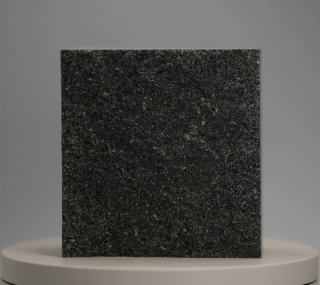
For distinctive private driveways and estate courtyards, Obsidian Luster premium granite setts offer a deep black character with naturally occurring crystalline highlights, creating a refined material accent.
Boutique Hotels and Commercial Landscapes
Hotel entrances, commercial courtyards and public-facing plazas require paving that contributes to the overall architectural identity while accommodating regular pedestrian use.
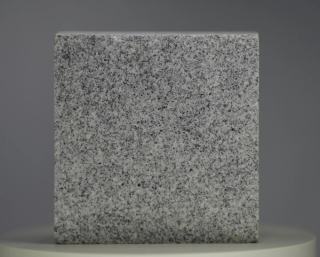
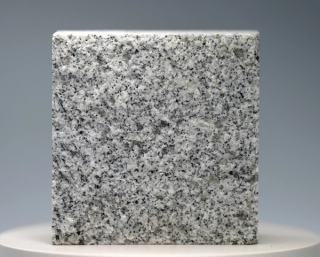
Grey granite setts provide a versatile foundation for large paved areas, while darker granite can introduce contrast through borders, entrance features and decorative paving bands.
For these projects, consistent dimensions, controlled joint alignment and an agreed range of natural colour variation are particularly important. The appearance of an individual sample should always be considered alongside the visual effect of the completed paving area.
Historic Streetscapes and Heritage Settings
Granite setts remain an established choice for traditional streetscapes, historic town centres and heritage-inspired landscape schemes.
Antique tumbled finishes can soften the edges of newly manufactured stone and create a weathered appearance that complements older buildings. Naturally split granite also provides a distinctive texture suited to traditional paving designs.
For protected historic environments, however, material selection and installation methods must follow the relevant conservation requirements. A newly manufactured antique finish should not automatically be considered an appropriate replacement for original historic paving.
Designers and contractors working on larger entrance schemes can also explore a boutique hotel entrance and commercial landscape paving case study for an example of granite setts in a project setting.
3. Choosing Granite Sett Sizes and Thicknesses
Granite paving setts are available in various formats, with common nominal face dimensions including 50 × 50 mm, 80 × 80 mm and 100 × 100 mm. Thickness can be selected according to the paving design and engineering requirements.
Smaller paving units are particularly useful for curved driveways, circular courtyards and decorative borders, where flexible joint arrangements are required. More regularly dimensioned setts can create consistent paving modules for contemporary entrances and larger landscaped spaces.
Common thickness options include 50 mm, 60 mm, 80 mm and 100 mm. However, these dimensions do not represent universal load-bearing categories. The appropriate thickness depends on the anticipated traffic, stone characteristics, bedding method, sub-base construction and applicable local design requirements.
For residential driveways, hotel drop-off areas and public spaces, the complete pavement design should be considered rather than selecting stone thickness in isolation.
Before manufacturing, architects and contractors should also confirm dimensional tolerances, joint widths and edge details to minimise unnecessary cutting and adjustment on site.
For more detailed guidance on nominal sizes, tolerances and finishing options, consult the granite sett dimensions and surface finishing guide before finalising the project specification.
4. How Do Different Granite Surface Finishes Affect Paving?
Surface finish plays a significant role in the appearance and practical performance of granite paving. The most suitable option depends on the architectural setting, expected use and project-specific performance requirements.
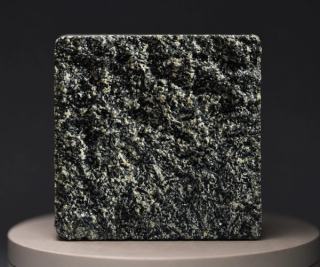
Natural split granite setts feature an irregular, textured surface that retains much of the stone's natural character. They are particularly suited to traditional courtyards, estate landscapes and heritage-inspired paving.
Flamed granite setts have a relatively uniform textured surface produced through thermal treatment. Their restrained appearance makes them suitable for contemporary building entrances, commercial plazas and outdoor pedestrian areas.
Bush-hammered granite setts feature a distinctive, mechanically textured surface. They can be specified where a more pronounced and consistent surface character is required.
Antique tumbled granite setts undergo a finishing process that softens the edges and produces a naturally aged appearance. They are well suited to private estates, boutique hotels, traditional courtyards and landscape schemes where a less formal aesthetic is desired.
Slip resistance should not be judged solely by the name of the finish. For public pedestrian areas, ramps and other locations with specific safety requirements, appropriate test data and the conditions of use should be considered.
5. What Should European Buyers Check Before Ordering Granite Setts?
For landscape architects, paving contractors and professional stone buyers, selecting granite setts involves more than comparing colours and unit prices. Manufacturing accuracy, colour consistency, technical documentation and delivery planning can all influence the success of a project.
Before placing an order, buyers should confirm the granite type, nominal dimensions, thickness, surface finish, edge treatment and permitted tolerances. For larger schemes, representative samples or a trial paving area can help establish the acceptable range of natural colour variation and assess the overall paving appearance.
The laying pattern and joint width should also be coordinated with the project drawings before production, particularly where curved layouts, decorative borders or transitions between different paving materials are involved.
For European public works and formally specified construction projects, the required performance testing and product documentation should be established according to the applicable standards and regulatory requirements.
Export packaging, crate weights, container loading arrangements and delivery schedules should also be agreed in advance to support safe transport and efficient site handling.
For premium landscape projects, reliable dimensional control, consistent finishing and dependable production planning often contribute more to long-term project value than the lowest initial material price.
Frequently Asked Questions
Are granite setts suitable for residential driveways?
Yes. Granite setts are widely used for residential driveways because of their durability and architectural appeal. The appropriate stone thickness and pavement construction should be determined according to vehicle loads and site conditions.
Are antique tumbled granite setts only suitable for traditional buildings?
No. Antique tumbled granite can also complement contemporary villas, boutique hotels and modern landscape designs. Its softened edges and natural texture can provide an attractive contrast to clean architectural lines.
Can granite setts be customised in size and surface finish?
Yes. Depending on the selected granite and manufacturing requirements, setts can be produced in different dimensions, thicknesses, colours and surface finishes. Specifications should be confirmed against project drawings before production.
Conclusion
Granite setts and cobblestones remain a versatile natural stone paving solution for European landscape architecture, combining established material character with contemporary design possibilities.
From private estate driveways and boutique hotel entrances to commercial courtyards and historic streetscapes, the right combination of stone colour, dimensions, surface finish and paving design can create distinctive outdoor environments with lasting appeal.
Successful granite paving projects depend on coordinated material selection, appropriate construction design and reliable manufacturing quality.
MINJI specialises in premium natural granite setts, antique tumbled cobblestones, granite kerbstones and bespoke paving slabs, supporting landscape architects, contractors and professional project buyers with natural stone selection and custom manufacturing solutions.