
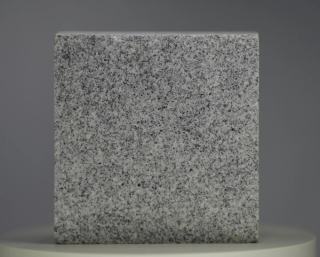
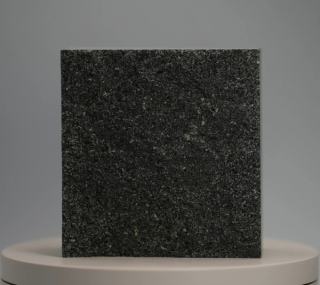
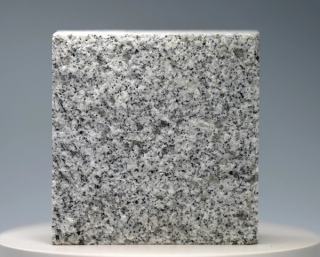
La pavimentación con adoquín de granito se ha utilizado durante siglos en calles, patios, paisajes residenciales y espacios públicos de Europa. Hasta el día de hoy, sigue siendo un material de piedra natural muy popular para pavimentos exteriores. La razón es sencilla: el granito posee una alta resistencia, es resistente al desgaste, a los ciclos de hielo-deshielo y a la intemperie, además de contar con la textura y el acabado únicos de la piedra natural.
Ya sea para diseños de adoquín de piedra natural en entradas de vehículos residenciales en Europa, o para proyectos de licitación en calles peatonales urbanas, senderos de jardines, renovación de barrios históricos o paisajes públicos, los adoquines de granito combinan estética y funcionalidad.
Este artículo presenta de manera sistemática los métodos de uso de adoquín de granito, adoquines de granito y adoquines pequeños en proyectos de paisajismo, abordando aspectos como escenarios de aplicación, tratamientos superficiales, pavimentación permeable, requisitos de proyectos públicos, personalización de dimensiones, Export Wooden Crate Packaging y consejos de compra.
1. Diferencias entre adoquín de granito, Cobblestone, Sett y Paving Cube
En el comercio internacional de piedra y en proyectos de diseño paisajístico, un mismo producto puede recibir diferentes denominaciones. Los nombres comunes en inglés incluyen:
- Granite cobblestone
- Granite cobble
- Natural stone cobble
- Cobble stone
- Granite sett
- Stone sett
- Paving sett
- Paving cube
- Granite cube stone
- Stone paving block
En chino, generalmente se pueden entender como:
- adoquín de granito
- adoquín pequeño de granito
- adoquín de granito
- bloque de pavimentación de piedra natural
- adoquín pequeño de piedra
- material de pavimentación de bloques de granito
Por lo general, cobblestone / cobble se inclina más hacia un estilo tradicional, retro y natural;
adoquín más común en las especificaciones de proyectos europeos;
cubo de pavimentación se refiere generalmente a piedras de pavimentación cuadradas de menor tamaño, ideales para patios, bordes de jardines y pavimentación decorativa.
2. Escenarios de aplicación comunes para el adoquín de granito
2.1 Pavimentación de entradas de vehículos en residencias europeas
El granito es ideal para entradas de vehículos residenciales, ya que puede soportar cargas vehiculares y adaptarse a entornos de uso exterior a largo plazo.
En el diseño de entradas de vehículos con adoquín de piedra natural en residencias europeas, los diseñadores suelen elegir bloques pequeños de granito gris o multicolor, utilizando los siguientes métodos de pavimentación:
- Patrón de abanico
- Patrón de arco
- Patrón de hilera trabada
- Patrón de hilera corrida
- Patrón aleatorio
- Pavimentación en cuadrícula regular
Si el proyecto es una villa clásica, se puede optar por adoquín de granito con acabado envejecido o a corte natural, para lograr un estilo de jardín europeo con mayor sentido histórico.
Si se trata de una residencia moderna, se puede utilizar granito gris con acabado flameado, bordes aserrados o especificaciones más uniformes, logrando un efecto general más sencillo y limpio.
2.2 Pavimentación rígida en paisajismo moderno
El adoquín de granito gris es muy adecuado para la pavimentación rígida en paisajismo moderno. Los tonos grises son estables, atractivos y fáciles de combinar con hormigón, vidrio, metal, madera, elementos acuáticos y vegetación.
Las aplicaciones comunes incluyen:
- Pavimentación de entradas de hoteles
- Plazas comerciales
- Áreas de recreación al aire libre
- Patios modernos
- Plazas públicas
- Caminos paisajísticos en complejos residenciales
- Senderos de jardín
El granito de color gris claro aporta luminosidad y limpieza al espacio; el granito de color gris oscuro o negro es más adecuado para diseños de paisaje modernos, sofisticados y de alto contraste.
2.3 Pavimentación de senderos en patios
Para patios, senderos, caminos de jardín y áreas decorativas, el adoquín de granito sobre malla es una opción sumamente práctica.
El adoquín sobre malla consiste en fijar bloques de piedra de pequeño formato sobre una malla con un espaciado y patrón predeterminados, lo que permite su instalación por paneles completos.
Este método es ideal para:
- Patios privados
- Caminos de jardín
- Áreas de terraza
- Senderos paisajísticos de hoteles
- Bordes decorativos
- Áreas de pavimentación de pequeña superficie
Las ventajas del sistema sobre malla son:
- Mayor velocidad de instalación
- Juntas más uniformes
- Patrones más fáciles de controlar
- Reducción de los costes de mano de obra al evitar la colocación pieza por pieza
- Adecuado para la pavimentación con piedra de pequeño formato
En áreas curvas o bordes irregulares, el personal de obra deberá seguir cortando las mallas o ajustando la posición de las piedras de forma individual según las condiciones del terreno.
2.4 Aceras exteriores y caminos antideslizantes
En las zonas peatonales exteriores es fundamental priorizar la resistencia al deslizamiento, especialmente en regiones con abundantes precipitaciones, nieve, hielo o ciclos de congelación y descongelación.
El adoquín de granito antideslizante suele someterse a los siguientes acabados superficiales:
- a corte natural
- flameado
- abujardado
- a corte natural
- Acabado rugoso
Estas texturas superficiales son más rugosas, lo que aumenta la seguridad al caminar en entornos húmedos.
Adecuado para aplicaciones en:
- senderos de parques
- aceras municipales
- caminos de jardines
- distritos comerciales
- entradas de zonas residenciales
- espacios paisajísticos públicos
- áreas exteriores de escuelas, hospitales y hoteles
Es importante notar que la resistencia al deslizamiento no solo depende de la superficie del granito, sino también de la pendiente de drenaje, la estructura de la base, los materiales de relleno de las juntas y el mantenimiento posterior.
2.5 Renovación de distritos históricos y pueblos antiguos
En proyectos de renovación de cascos antiguos europeos, barrios históricos, plazas de iglesias, calles comerciales tradicionales y pueblos antiguos, el adoquín de granito se utiliza frecuentemente para preservar el estilo original de las calles.
La pavimentación con adoquín de estilo europeo clásico suele presentar las siguientes características:
- colores naturales
- superficie ligeramente rugosa
- bordes no completamente regulares
- aspecto visual general con aire histórico
- combinación armoniosa con edificios antiguos, muros de ladrillo y muros de piedra
Los materiales utilizados habitualmente en este tipo de proyectos incluyen:
- adoquines de granito con acabado abujardado
- adoquines a corte natural
- adoquín de granito en tonos gris mezclado
- adoquines de estilo vintage
El acabado envejecido suaviza los bordes, reduce la rigidez de la piedra nueva y es ideal para proyectos de conservación histórica.
2.6 Bordes de terrazas y jardines
Los adoquines de granito de pequeño formato son perfectos para delimitar terrazas y jardines. Permiten una gran flexibilidad al trabajar con curvas, esquinas, bordes de maceteros, perímetros de césped y contornos de fuentes.
Sus usos más comunes incluyen:
- Delimitación de parterres
- Bordes de césped
- Marcos para terrazas
- Cercos para alcorques
- Perímetros de fuentes
- Separación entre áreas de grava y zonas de pavimentación
- Líneas decorativas para pavimentos de losa de granito
Los adoquines de pequeño formato se adaptan mejor a las curvas complejas que las losas grandes, por lo que son muy utilizados en detalles de paisajismo.
3. Diseño combinado de adoquín y piedra de bordillo
Un proyecto de pavimentación paisajística completo no solo abarca el material de superficie, sino también los bordes, la piedra de bordillo, los escalones, los canales de drenaje y las transiciones entre diferentes materiales.
Las combinaciones más frecuentes de adoquín y piedra de bordillo incluyen:
- Adoquín de granito gris con piedra de bordillo del mismo tono
- Piedra de bordillo oscura con adoquines de granito gris claro
- Adoquines a corte natural con piedra de bordillo flameado
- Adoquines de pequeño formato como marco para pavimentos de losa de granito
- Piedra de bordillo curva con pavimentación de adoquín en abanico
- Piedra de bordillo de granito negro con adoquines grises
Para contratistas, importadores y responsables de compras, adquirir adoquín, piedra de bordillo, escalones y otros productos complementarios de un mismo proveedor ayuda a reducir las variaciones de color, los problemas de dimensiones y los costes de gestión.
4. Comparativa de acabados superficiales comunes para adoquín de granito
El acabado superficial del adoquín de granito influye directamente en la resistencia al deslizamiento, la estética, la sensación al caminar, el método de instalación y el coste.
Acabado superficial
Características visuales
Ventajas principales
Aplicaciones comunes
a corte natural
Rugoso, natural, irregular
Alta resistencia al deslizamiento, aspecto tradicional distintivo
Calles antiguas, entradas de vehículos, aceras
flameado
Rugosidad uniforme, textura moderna
Buen agarre, apariencia limpia
Plazas, paisajes comerciales, jardines modernos
acabado tamboreado
Bordes redondeados, aspecto envejecido
Visualmente suave, retro y natural
Patios, jardines, renovación de pueblos antiguos
abujardado
Textura de puntos uniforme
Antideslizante estable, gran valor decorativo
Paisajes públicos, zonas peatonales
acabado aserrado
Plano, dimensiones precisas
Líneas limpias, ideal para diseños modernos
Bordes, piedra de bordillo, remates de detalle
a corte natural
Conserva la textura natural de la piedra
Estilo rústico y natural
Jardines, paisajes rurales, senderos
Para áreas peatonales al aire libre, generalmente se recomienda elegir acabados a corte natural, flameado o abujardado, ya que estos tratamientos superficiales son más seguros que el pulido.
5. Pavimentación permeable con adoquín de granito
Con el desarrollo del diseño de paisajes sostenibles, la pavimentación permeable recibe cada vez más atención. La pavimentación permeable con adoquín de granito permite que el agua de lluvia penetre a través de las juntas entre las piedras hacia la base, reduciendo así la escorrentía superficial y mejorando la gestión de aguas pluviales.
Los sistemas típicos de pavimentación permeable con adoquín incluyen:
- Adoquín de granito o piedra para pavimentación
- Juntas abiertas
- Material de relleno permeable, como grava o áridos especiales
- Capa de nivelación
- Base de grava graduada
- Capa de drenaje o capa de almacenamiento de agua cuando sea necesario
Adecuado para aplicaciones en:
- Entradas de vehículos residenciales
- Patios privados
- Senderos de jardín
- Áreas de estacionamiento
- Calles peatonales urbanas
- Áreas de paisaje público
Cabe señalar que el efecto a largo plazo de la pavimentación permeable no solo depende del granito en sí, sino también del diseño de la base, el material de las juntas, el grado de compactación y el sistema de drenaje.
6. Adoquines de granito en paisajes públicos y proyectos municipales
6.1 Requisitos de certificación CE en licitaciones de paisajes públicos
En Europa y en algunos mercados con requisitos normativos más estrictos, los proyectos de paisajes públicos suelen requerir documentación técnica e informes de pruebas pertinentes.
Los documentos habituales para adoquines de granito en licitaciones de paisajes públicos incluyen:
- Informe de prueba de resistencia a la compresión
- Informe de prueba de absorción de agua
- Informe de rendimiento de resistencia a la congelación y descongelación
- Datos de rendimiento antideslizante
- Especificaciones de tolerancia dimensional
- Descripción del material o informe litológico
- Documentación relacionada con el marcado CE
- Información de embalaje y envío
Si el proyecto es una licitación municipal, se recomienda confirmar los estándares específicos antes de realizar el pedido para evitar que la documentación no cumpla con los requisitos tras la producción.
6.2 Calles peatonales urbanas y zonas de carga pesada
Aunque las calles peatonales urbanas están destinadas principalmente al tránsito de personas, a menudo permiten el paso temporal de vehículos de limpieza, bomberos, reparto o mantenimiento. Por lo tanto, al utilizar adoquín de granito en zonas de carga pesada, es necesario considerar de manera integral el espesor de la piedra y la estructura de la base.
Los puntos clave incluyen:
- Si el espesor de la piedra cumple con los requisitos de carga
- Si la resistencia y la tasa de absorción de agua del granito son adecuadas
- Si la base es estable
- Si el material de rejuntado es resistente
- Si los bordes cuentan con suficiente sujeción
- Si la pendiente de drenaje es adecuada
Para la pavimentación de carga pesada, no solo se debe considerar el precio unitario de la piedra, sino también el diseño integral de la estructura de pavimentación.
6.3 Renovación urbana y suministro a gran escala
Los proyectos de renovación urbana, remodelación de calles antiguas, mejora de centros de transporte y renovación de plazas públicas suelen requerir grandes cantidades de adoquín de granito.
Estos proyectos de suministro a gran escala deben centrarse en:
- Si el color es estable
- Si las dimensiones son consistentes
- Si el tratamiento de la superficie es uniforme
- Si el embalaje es adecuado para el transporte de larga distancia
- ¿Es estable la capacidad de producción de la fábrica?
- ¿Es posible realizar entregas por lotes?
- ¿Pueden proporcionar la documentación necesaria para el proyecto?
Antes de la producción a gran escala, se recomienda confirmar las muestras, las imágenes de la producción de prueba, el método de embalaje y el plan de carga de contenedores.
7. Adoquín sobre malla o pre-ensamblado: reducción de costes de mano de obra en la instalación
En muchos mercados extranjeros, los costes de mano de obra son significativamente superiores a los costes de los materiales. Por ello, el adoquín sobre malla es cada vez más popular.
El adoquín de granito sobre malla o pre-ensamblado consiste en organizar y fijar piezas pequeñas de piedra sobre una malla de soporte. Durante la pavimentación, los trabajadores pueden colocar secciones completas, realizando ajustes y rellenando las juntas posteriormente.
Sus principales ventajas incluyen:
- Mayor eficiencia en la instalación
- Reducción de los costes de mano de obra
- Juntas más uniformes
- Patrones más fáciles de controlar
- Ideal para la pavimentación de bloques pequeños
- Adecuado para patios, terrazas y senderos paisajísticos
No obstante, para bordes curvos, remates irregulares y patrones complejos, sigue siendo necesario el ajuste manual.
8. Selección de colores para el adoquín de granito
El adoquín de granito está disponible en una amplia variedad de colores naturales, incluyendo gris claro, gris medio, gris oscuro, negro, amarillo, rosa y mezclas de colores.
Colores comunes y estilos aplicables:
- Granito gris claro: limpio y luminoso, ideal para paisajes modernos
- Granito gris medio: clásico y duradero, muy utilizado en proyectos europeos
- Granito gris oscuro: sobrio, adecuado para espacios comerciales y paisajismo moderno
- Granito negro: contraste intenso, ideal para diseños modernos de alta gama
- granito gris mixto: gran sensación natural, adecuado para barrios tradicionales y de estilo retro
Para los clientes que necesiten importar grandes cantidades de adoquín de granito gris o negro, recomendamos confirmar con antelación el rango de tolerancia de variación cromática. Es normal que la piedra natural presente ciertas variaciones de color, pero en los proyectos de ingeniería se deben definir los estándares durante la fase de muestras.
9. Especificaciones comunes y dimensiones personalizadas
Los requisitos de especificación para el adoquín de granito varían según el país y la región. Las dimensiones comunes incluyen:
- 50 × 50 × 50 mm
- 70 × 70 × 70 mm
- 90 × 90 × 90 mm
- 100 × 100 × 50 mm
- 100 × 100 × 100 mm
- 100 × 200 × 50 mm
- 100 × 200 × 100 mm
Según las necesidades del proyecto, también se puede personalizar:
- Longitud
- Anchura
- Grosor
- Acabado superficial
- Efecto de los bordes
- Gama de colores
- Disposición en malla
- Método de embalaje
- Especificaciones de piedra de bordillo a juego
Para los importadores y contratistas de obras europeos, comprar adoquín de granito directamente a fábricas chinas permite controlar los costes en proyectos de gran volumen, siempre y cuando el proveedor cuente con un control de calidad estable, experiencia en Export Wooden Crate Packaging, capacidad de gestión documental y gestión de plazos de entrega.
10. Embalaje, carga de contenedores y control de calidad
El adoquín de granito tiene un peso elevado; si el embalaje no es adecuado, es fácil que se produzcan roturas, deformaciones en las cajas de madera o dificultades durante la descarga en el transporte.
Los métodos de embalaje comunes incluyen:
- Embalaje en cajas de madera
- Embalaje en sacas (big bags)
- Embalaje en palés
- Protección plástica dentro de las cajas de madera
- Embalaje personalizado según los requisitos del proyecto
Antes del envío se debe confirmar:
- Tolerancia dimensional
- Consistencia del tratamiento superficial
- Rango de color
- Cantidad por caja o por saco
- Peso bruto por unidad de embalaje
- Cantidad de carga por contenedor
- Información de las marcas de envío
- Informes de pruebas y documentos de exportación
Es normal que la piedra a corte natural presente pequeñas irregularidades en los bordes, pero las dimensiones generales, el espesor y la tasa de aprovechamiento deben mantenerse dentro de rangos razonables.
11. ¿Cómo elegir el adoquín de granito adecuado para un proyecto?
Al seleccionar adoquín de granito, no se debe comparar únicamente el precio unitario, sino considerar de forma integral el efecto del diseño, la funcionalidad, el entorno climático, la carga de tráfico y el método de construcción.
Se recomienda prestar especial atención a los siguientes puntos:
1. Escenario de uso
Los requisitos de espesor y resistencia varían según se trate de calzadas, aceras, patios, plazas o calles urbanas.
2. Tratamiento superficial
Para áreas peatonales al aire libre, se recomienda elegir superficies con mejores propiedades antideslizantes.
3. Efecto cromático
El granito en tonos grises, negros y mezclados ofrece diferentes estilos paisajísticos.
4. Dimensiones y especificaciones
Las piezas de pequeño formato son ideales para curvas y líneas decorativas, mientras que los adoquines de gran formato son adecuados para áreas extensas de pavimentación.
5. Métodos de instalación
La instalación por piezas individuales y la instalación sobre malla se adaptan a diferentes condiciones de proyecto.
6. Documentación técnica
Los proyectos públicos y las licitaciones pueden requerir documentación CE o informes de pruebas.
7. Capacidad de suministro
Para proyectos de gran envergadura, se debe elegir una fábrica o proveedor con capacidad de producción estable y una calidad constante.
Preguntas frecuentes FAQ
1. ¿Cuál es la diferencia entre el adoquín de granito a corte natural, flameado y abujardado?
La diferencia principal entre ellos radica en la textura superficial, el acabado de los bordes y el estilo visual.
- A corte natural: se obtiene mediante división mecánica para crear una superficie rugosa y natural con excelentes propiedades antideslizantes, ideal para calles tradicionales, entradas de vehículos y aceras.
- Flameado: se obtiene mediante un tratamiento a alta temperatura para crear una superficie rugosa y uniforme, adecuada para plazas modernas y paisajes comerciales.
- Abujardado: se logra mediante un proceso de tamboreado que redondea los bordes, ofreciendo un efecto antiguo ideal para patios, jardines y la renovación de distritos históricos.
Para calles de cascos antiguos, generalmente se elige el acabado a corte natural o abujardado; para plazas modernas, el adoquín de granito flameado es más común.
2. ¿Qué adoquín es más adecuado para pavimentación exterior, el de basalto o el de granito?
Tanto el basalto como el granito pueden utilizarse para pavimentación exterior; la elección depende del estilo de diseño, los requisitos de rendimiento y el presupuesto.
Granito ofrece una gama de colores más amplia, que incluye gris, negro, amarillo, rosa y tonos mezclados, con una gran versatilidad de aplicación para entradas de vehículos, patios, calles peatonales, plazas públicas y caminos paisajísticos.
Basalto generalmente se presenta en tonos gris oscuro o negro, ofreciendo un efecto visual más moderno y minimalista, ideal para espacios comerciales de alta gama y paisajes de estilo minimalista.
En resumen:
- Si necesita más opciones de color, puede elegir granito
- Si busca un estilo moderno en tonos oscuros, puede elegir basalto
- En áreas de carga pesada, es fundamental verificar el espesor, la resistencia y la estructura de la base, en lugar de centrarse únicamente en el tipo de piedra
3. ¿Cómo calcular cuántos adoquines de granito se necesitan por metro cuadrado?
Al calcular la cantidad de adoquines por metro cuadrado, es necesario considerar las dimensiones de la cara de la piedra y el ancho de la junta.
Por ejemplo, si el tamaño de una piedra es de 100 × 100 mm y la junta es de aproximadamente 10 mm, el módulo por pieza es de aproximadamente:
110 × 110 mm
Método de cálculo:
1 metro cuadrado = 1,000,000 mm²
Área del módulo por pieza = 110 × 110 = 12,100 mm²
Cantidad por metro cuadrado = 1,000,000 ÷ 12,100 ≈ 83 piezas
Si la junta es más estrecha, la cantidad por metro cuadrado puede acercarse a 90–100 piezas.
Si se trata de piedra a corte natural o piedra irregular, se recomienda añadir un 5%–10% adicional de desperdicio para cortes, selección y ajustes en obra.
4. ¿Es adecuado el adoquín de granito sobre malla para la pavimentación de patios?
Sí, lo es. El adoquín de granito sobre malla es ideal para senderos de patios, terrazas, caminos de jardín y áreas de pavimentación decorativa.
Permite mejorar la eficiencia de la instalación y mantener un espaciado más uniforme entre las piezas pequeñas. Sin embargo, en esquinas irregulares, áreas curvas o remates complejos, aún será necesario que el personal de obra realice ajustes en el lugar.
5. ¿Se puede utilizar el adoquín de granito para pavimentación permeable?
Sí. El adoquín de granito puede utilizarse para pavimentación permeable, siempre que se combine con juntas abiertas, materiales de relleno permeables y una estructura de base adecuada.
La pavimentación permeable es adecuada para el diseño de paisajes sostenibles, ya que ayuda a la infiltración del agua de lluvia y reduce la escorrentía superficial.
6. ¿Qué espesor de adoquín de granito se debe elegir para la pavimentación de entradas de vehículos?
El espesor habitual para entradas residenciales es de 50 mm a 100 mm, dependiendo de la carga vehicular, las especificaciones de la piedra y la estructura de la base.
Para vías públicas, calles peatonales urbanas o áreas con posible tráfico de vehículos pesados, se recomienda elegir adoquines de granito más gruesos y contar con un diseño de estructura de pavimentación realizado por profesionales.
7. ¿Es el adoquín de granito adecuado para proyectos de licitación de paisajes públicos?
Sí. El adoquín de granito y las piezas de pavimentación de granito se caracterizan por su durabilidad, facilidad de mantenimiento, larga vida útil y belleza natural, por lo que se utilizan frecuentemente en paisajes públicos, vías urbanas y plazas municipales.
Para proyectos de licitación formal, el comprador debe confirmar con antelación:
- Estándares técnicos
- Documentación CE
- Informes de pruebas
- Tolerancias dimensionales
- Requisitos de embalaje
- Plazo de entrega
- Confirmación de muestras para proyectos
Conclusión
El adoquín de granito, las piedras de pavimentación de granito y los cubos de piedra son adecuados para diversos proyectos de pavimentación paisajística, desde entradas de viviendas y senderos de jardines en Europa, hasta calles peatonales urbanas, remodelación de distritos históricos y licitaciones de espacios públicos, donde aportan un gran valor decorativo y funcional.
El éxito de un proyecto de pavimentación no depende solo del color y el precio del granito, sino también del acabado superficial, las dimensiones y el espesor, el método de instalación, el diseño de la base, el transporte y el embalaje, así como de la capacidad de control de calidad del proveedor.
Para proyectos de gran envergadura, un suministro estable de fábrica, una documentación técnica adecuada, un Export Wooden Crate Packaging fiable y una calidad de producto consistente suelen ser más importantes que un precio bajo por sí solo.