
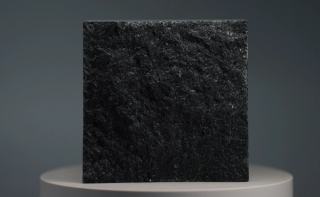
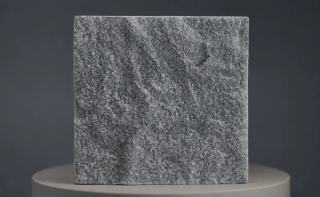
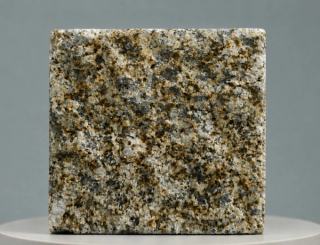
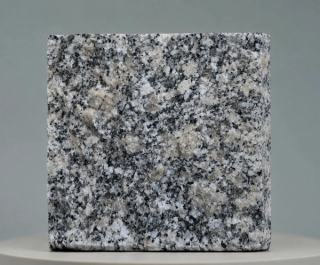
Natural granite cobblestones have long been used across Europe for courtyards, driveways, hotels, streetscapes, and public landscapes. Their strength, weather resistance, slip resistance, and naturally formed colours and textures make them a classic and durable material for outdoor paving.
Yet even when the same type of natural granite is used and the stones are produced in similar cobblestone formats, the finished products can look noticeably different.
The difference is not simply about stone type or colour. It can also be seen in the overall stone character, surface cleanliness, depth of colour, refinement of the finish, visibility of crystals and minerals, and the overall appearance of the completed paving.
For conventional engineering projects, dimensions, strength, slip resistance, durability, and cost are often the primary considerations. For luxury residences, boutique hotels, private estates, and landscape projects with a strong design identity, another question becomes equally important:
How well has the natural character of the granite been expressed in the finished cobblestone?
1. A Better Finished Product Begins with the Right Natural Stone
Granite is not an industrial material with perfectly uniform colour and texture.
Different granites have their own base colours, mineral compositions, crystal structures, grain patterns, and natural variations. Even two black, grey, or green granites can create completely different visual impressions.
Standard engineering cobblestones generally place greater emphasis on reliable supply, technical performance, and cost efficiency. For products intended for more design-focused projects, the selection process can go further by considering the base colour, crystals, mineral grains, natural texture, and overall visual character of the stone.
Dark granites may contain distinctive crystalline variations. Green granites can reveal complex mineral structures. Blue-grey stones can create a cool, contemporary character, while light grey granites can provide a restrained architectural background through their finer grain structure.
A well-finished cobblestone therefore begins with something fundamental:
Choosing natural granite that is worth revealing.
2. The Most Visible Difference Is Often on the Surface
Selecting the stone is only the beginning.
Once natural granite has been transformed into a finished cobblestone, its surface condition directly influences how we perceive its colour, crystals, texture, and overall quality.
Beyond meeting the necessary technical requirements, a more refined cobblestone should also be considered in terms of:
surface cleanliness, visual refinement, depth of overall colour, clarity of mineral grains and natural textures, and the overall completeness of each finished stone.
Individually, these details may appear subtle. Together, however, they can significantly change the visual quality of the product.
A well-finished surface should not add an artificial decorative layer to the granite. Instead, it should reduce visual distraction and allow the stone’s natural colour, crystals, minerals, and textures to appear more clearly.
3. Colour Depth and Natural Minerals Give Granite Its Visual Richness
The colour of natural granite is rarely just black, grey, green, blue, or gold.
Its overall appearance is created by the interaction of different minerals, crystals, and grains within the stone.
This becomes particularly noticeable with darker granites. A well-presented finished surface can allow the natural base colour to appear fuller and more expressive. Black can feel deeper, blue-black more composed, and dark green richer, while the natural granular character of the stone remains visible.
For granites containing distinctive crystals and mineral structures, a clean and refined surface also makes these natural characteristics easier to appreciate.
Under daylight, certain crystals may produce subtle variations in lustre. As the viewing angle changes, different minerals can create shifts in light, shade, and visual depth.
These effects are not artificial patterns added to the stone.
They originate from the granite itself.
For grey, white, and warm-toned granites, good surface presentation can create a cleaner and more natural overall colour, allowing the relationship between individual grains, minerals, and textures to become more clearly defined.
The purpose is not to create a new colour.
It is to:
allow the natural colour and mineral character already present in the granite to be seen more clearly.
4. Natural Stone Character and Refined Finish Should Coexist
Cobblestones used for courtyards, driveways, and outdoor landscapes are very different from polished interior stone.
They need to retain the authentic material character expected from natural granite paving.
But “natural” does not have to mean visually rough, untidy, or lacking in finishing control.
A more considered result achieves a balance:
preserving the natural grains, textures, and surface variations of granite while creating a cleaner, more refined, and more complete finished appearance.
Viewed from close range, the individual mineral details and natural variations remain visible. From a normal viewing distance, the overall colour and surface character appear more coherent.
This combination of natural stone character and refined finishing quality is one of the differences that can be clearly perceived when comparing standard engineering cobblestones with paving intended for more demanding landscape projects.
5. A Beautiful Individual Stone Is Only the Beginning
Cobblestones are not ultimately experienced as individual decorative objects.
A landscape project may contain thousands or even tens of thousands of pieces.
For this reason, the appearance of a single cobblestone is only one part of evaluating the material.
As the paved area becomes larger, the overall colour balance, natural colour variation, light and dark transitions, surface condition, and relationship between individual stones become increasingly important.
If the finished appearance varies too widely from piece to piece, a large paved area can appear visually disordered.
When good finishing quality is combined with carefully managed natural variation, the paving can achieve a particularly important balance:
natural detail when viewed up close, and visual order when viewed as a whole.
This is why cobblestone quality should never be judged only from one individual sample.
Ultimately, what matters is how thousands of individual stones come together to form a complete landscape surface.
6. Different Projects Require Different Levels of Material Selection
There is no absolute question of one type of granite cobblestone being right and another being wrong.
For roads, municipal works, large public areas, and projects with strict budget requirements, consistent dimensions, technical performance, supply capacity, and cost efficiency are often the priorities.
For luxury residential courtyards, private driveways, boutique hotels, estates, architectural entrances, waterfront landscapes, and distinctive commercial environments, paving materials may also be expected to contribute to the visual identity of the architecture and landscape.
In these projects, the decision goes beyond specifications and technical performance.
Attention may also be given to:
stone character, surface cleanliness, depth of colour, visibility of crystals and natural textures, finishing quality, and the overall appearance of large paved areas.
Together, these details determine how natural granite contributes to the character and quality of the finished project.
Conclusion: The Real Difference Can Be Seen in the Finished Stone
A natural granite cobblestone may appear to be a simple product, but its final character is shaped by details that cannot always be expressed through technical specifications alone.
From the selection of the natural stone to the depth of its colour and the cleanliness and refinement of its surface; from the visibility of crystals, minerals, and textures to the appearance of individual pieces and the visual harmony of a completed paved area—each detail contributes to the final result.
The difference between premium natural granite cobblestones and standard granite cobblestones therefore does not need to be explained by repeatedly using the word “premium.”
Place the products side by side and examine their colour, surface, crystals, textures, and overall finished appearance—the difference should be visible in the stone itself.
A well-presented surface should never hide the natural character of granite.
Instead, it should reveal:
richer natural colour, a cleaner and more refined surface, clearer crystal and mineral definition, and the distinctive character that already exists within the granite.
When these qualities come together across an entire paved area, cobblestones move beyond being simply a functional paving material.
They become part of the landscape architecture.