How to Choose Tianshan Green, Blue Mystic & Deep Blue Granite for Luxury Landscape Projects Across Europe
Introduction
Natural granite cobblestones have been used in European cities for centuries. From historic town centres and castle courtyards to contemporary villas and luxury commercial developments, granite remains one of the most trusted paving materials for outdoor spaces.
Today, however, the expectations placed on paving materials have evolved.
Landscape architects no longer evaluate granite solely on durability or compressive strength. Modern projects require paving materials that combine long-term performance with architectural character, visual consistency and a distinctive design identity.
As contemporary landscape design continues to favour clean lines, restrained colour palettes and natural textures, premium cool-toned granite cobblestones have become increasingly popular across Europe. Their refined appearance complements modern architecture while offering the durability required for demanding outdoor environments.
Among today's premium granite collections, Tianshan Green, Blue Mystic and Deep Blue Granite represent three distinctive design directions. Each offers a unique combination of natural mineral colour, surface character and architectural expression, allowing designers to create outdoor spaces with greater individuality while maintaining the long-term performance expected from natural granite.
This guide explains how these three premium granite collections differ, where they perform best and how to select the most suitable material for luxury residential, hospitality, commercial and public landscape projects.
Why Premium Granite Cobblestones Are Becoming More Popular Across Europe
Over the past decade, European landscape architecture has gradually shifted away from purely functional paving design.
Outdoor spaces are now expected to deliver more than durability they must also enhance the identity of a building, create memorable public spaces and support a consistent architectural language.
Several design trends have contributed to this change.
Contemporary Architecture Prefers Calm, Natural Colour Palettes
Modern residential and commercial buildings increasingly feature materials such as exposed concrete, architectural glass, timber cladding, corten steel and minimalist planting.
Traditional yellow or warm toned paving stones do not always integrate naturally with these materials.
Cool-toned granite, on the other hand, creates a quieter visual foundation that allows architecture and landscape elements to work together harmoniously.
Rather than dominating a space, premium granite paving provides subtle depth and texture while maintaining a clean and sophisticated appearance.
Landscape Design Is Moving Towards Material Authenticity
Across Europe, designers are placing greater emphasis on authentic natural materials.
Rather than relying on artificial colours or decorative finishes, contemporary landscape architecture increasingly celebrates genuine stone textures, natural mineral variation and honest craftsmanship.
Premium granite cobblestones fit perfectly within this philosophy.
Their colours originate entirely from natural mineral composition rather than surface treatments or pigments, allowing projects to retain their character for decades with minimal visual ageing.
Outdoor Spaces Have Become Extensions of Interior Design
Luxury residential projects no longer treat outdoor paving as separate from the building itself.
Instead, terraces, courtyards, driveways and garden paths are designed as continuous architectural spaces.
This has increased demand for paving materials capable of complementing contemporary façades while introducing subtle texture and natural warmth.
Cool grey, blue grey and deep blue granite have become particularly attractive because they coordinate naturally with today's architectural materials without overwhelming the overall design.
Designers Are Looking for Distinctive Materials
As more commercial and residential developments adopt similar architectural styles, differentiation becomes increasingly important.
Premium natural granite offers something that manufactured paving materials cannot easily replicate:
Every stone contains naturally formed mineral structures.
Every surface reflects light differently.
Every installation develops its own architectural identity.
Rather than appearing repetitive or artificial, natural granite creates subtle visual variation while maintaining overall consistency across large paved areas.
Why Architects Are Moving Beyond Standard Grey Granite
Standard grey granite continues to be one of the world's most widely specified paving materials.
Its durability, availability and versatility make it suitable for countless public infrastructure and commercial projects.
However, premium residential developments, boutique hotels and high end landscape projects often require more than functional performance.
Architects increasingly seek paving materials capable of contributing to the overall design concept.
Instead of simply covering a surface, paving now helps define atmosphere, reinforce architectural identity and shape how people experience outdoor spaces.
This is where distinctive granite collections provide additional value.
Rather than relying solely on neutral grey tones, premium architectural granite introduces carefully balanced natural colours and mineral textures that enhance contemporary landscape compositions.
The goal is not stronger colour.
The goal is greater architectural depth.
Three Signature Granite Collections for Contemporary Landscape Design
Although Tianshan Green, Blue Mystic and Deep Blue Granite all belong to the premium cool-toned granite family, each collection creates a very different architectural atmosphere.
Understanding these differences allows designers to specify materials more confidently according to project objectives rather than colour preference alone.
Tianshan Green Granite
Calm Scandinavian Minimalism
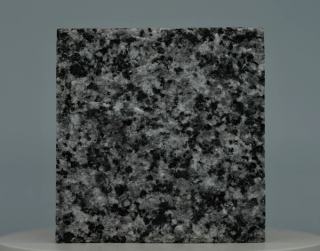
Tianshan Green features a refined blue 、grey base colour with delicate natural mineral patterns distributed evenly throughout the stone.
Its understated appearance makes it particularly suitable for contemporary Scandinavian inspired landscapes, minimalist residential architecture and waterfront environments where visual calm is a key design objective.
Rather than drawing immediate attention, Tianshan Green creates balance.
Its restrained colour palette allows surrounding architecture, planting and lighting to become the focal points while providing a sophisticated and highly consistent paving surface.
Typical applications include:
- Luxury private villas
- Contemporary courtyards
- Waterfront landscapes
- Premium residential communities
- Boutique hospitality projects
- Modern urban gardens
Blue Mystic Granite
Refined Mineral Character with Exceptional Detail
Blue Mystic introduces a deeper architectural expression.
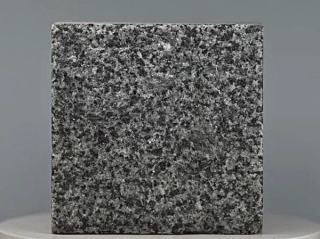
From a distance, it presents a composed blue grey appearance.
Closer inspection reveals intricate mineral crystals that create subtle movement across the paving surface without appearing decorative.
This layered visual effect makes Blue Mystic particularly attractive for projects where material quality is intended to be appreciated over time.
It works exceptionally well with corten steel, architectural concrete, natural timber and warm landscape lighting.
Typical applications include:
- Boutique hotels
- Luxury estates
- High-end residential developments
- Art parks
- Premium commercial landscapes
- Hospitality courtyards
Deep Blue Granite
Contemporary Identity Through Natural Blue Tones
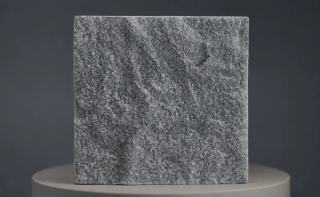
Deep Blue Granite offers the strongest visual identity among the three collections.
Its naturally occurring blue mineral structure introduces a distinctive contemporary character rarely found in traditional paving materials.
Unlike artificially coloured stone products, the blue tone originates from the granite's mineral composition and extends throughout the entire stone.
As a result, the material maintains its appearance over many years of outdoor exposure without relying on surface coatings or pigments.
Deep Blue is particularly effective where landscape design aims to create memorable public spaces or strengthen architectural branding.
Typical applications include:
- Commercial plazas
- Hotel entrance forecourts
- Luxury residential driveways
- Contemporary office campuses
- Public art spaces
- Waterfront promenades
Three Different Materials, Three Different Design Languages
Although these three granite collections share similar technical performance, they are not intended to compete with one another.
Instead, each represents a different architectural design language.
Tianshan Green creates calm, balanced and understated outdoor environments.
Blue Mystic emphasises material richness and refined natural detail.
Deep Blue Granite introduces stronger visual identity and contemporary architectural character.
Selecting between them is therefore less about determining which granite is "better" and more about identifying which material best supports the design vision of the project.
For landscape architects, this approach allows paving materials to become an integral part of the architectural composition rather than simply a functional ground surface.
Key Takeaways
When selecting premium granite cobblestones for luxury outdoor projects, consider more than colour alone.
Successful specification should evaluate:
- Architectural style and surrounding materials
- Desired visual atmosphere
- Surface finish and slip resistance
- Long-term weathering performance
- Project location and climate
- Installation method and maintenance requirements
Understanding these factors makes it easier to choose a granite collection that will continue to perform both technically and aesthetically for decades.
Understanding Natural Mineral Colour and Material Character
One of the greatest advantages of natural granite is that no artificial colouring is required to create visual richness.
Unlike manufactured paving materials, where colour is typically produced by pigments, coatings or surface treatments, granite develops its appearance naturally during geological formation.
Millions of years of mineral crystallisation create subtle variations in colour, crystal size and texture that cannot be reproduced artificially.
This is one of the reasons why landscape architects continue to specify natural granite for premium projects.
Its appearance feels authentic because it is authentic.
Every block carries the geological history of its formation.
Every finished cobblestone contains natural variation while remaining visually consistent across large paved areas.
Rather than producing identical repetition, natural granite creates rhythm.
That rhythm is often what gives high quality landscape projects their distinctive character.
Why Every Granite Collection Looks Different
Although granite is often considered a single material, it actually represents an entire family of natural stones.
The final appearance depends largely on three factors:
- Mineral composition
- Crystal size
- Geological cooling process
Small differences in these factors create significant visual differences once the stone is processed.
For landscape designers, these differences are not simply aesthetic.
They influence how a paved surface interacts with architecture, vegetation, lighting and changing weather conditions.
Understanding these characteristics allows designers to specify materials more precisely according to the intended atmosphere of a project.
Tianshan Green Granite
Clean Architectural Simplicity
Tianshan Green is defined by its calm blue grey background and remarkably balanced mineral distribution.
Rather than featuring dramatic colour contrasts, the stone presents a smooth visual rhythm that remains consistent across large installations.
This characteristic makes it particularly valuable for projects where architecture itself should remain the primary visual focus.
The paving quietly supports the overall composition instead of competing with it.
Under direct daylight, the surface appears soft and refined.
During cloudy weather or after rainfall, the natural mineral patterns become slightly more pronounced, introducing additional texture without disrupting visual harmony.
This ability to change subtly with natural light gives Tianshan Green a sense of depth that manufactured paving materials often struggle to achieve.
Why Architects Appreciate Tianshan Green
Minimalist architecture depends heavily on proportion, material balance and restrained colour palettes.
Highly decorative paving can easily overwhelm these carefully composed spaces.
Tianshan Green avoids this problem.
Its understated character allows surrounding materials including timber, exposed concrete, glass and architectural planting to remain visually dominant.
Instead of attracting attention to itself, it enhances the architectural composition as a whole.
For this reason, Tianshan Green is frequently specified for:
- Scandinavian-inspired residences
- Contemporary villa gardens
- Luxury courtyard landscapes
- Waterfront walkways
- Boutique hospitality developments
- Modern residential communities
Blue Mystic Granite
Natural Detail That Rewards Closer Observation
Blue Mystic follows a different design philosophy.
From a distance, it appears restrained and elegant.
Only when viewed more closely do its fine mineral crystals begin to reveal themselves.
This gradual discovery creates a richer visual experience.
Rather than relying on bold colour variation, Blue Mystic achieves character through texture and mineral complexity.
As sunlight moves across the paving throughout the day, individual mineral crystals reflect light differently, creating subtle visual movement across the surface.
The effect is sophisticated rather than dramatic.
For many architects, this quiet complexity is precisely what makes natural stone so valuable.
Material Depth Instead of Surface Decoration
Many manufactured paving materials attempt to imitate natural stone by printing textures or applying coloured surface layers.
Blue Mystic requires neither.
Its depth comes entirely from naturally occurring mineral structures distributed throughout the stone.
This means that visual quality is not confined to the surface.
Even after decades of use, the material retains the same internal character because the colour and crystal structure extend through the entire granite block.
This contributes significantly to the long-term architectural value of the paving.
Typical applications include:
- Boutique hotels
- Luxury estates
- Art museums
- Premium office landscapes
- Courtyard developments
- Resort environments
Deep Blue Granite
Creating Architectural Identity Through Natural Colour
Deep Blue Granite occupies a unique position among premium paving materials.
Its naturally occurring blue mineral composition gives projects a distinctive identity without appearing artificial.
Blue has become increasingly important in contemporary landscape architecture.
It complements modern façades, water features, brushed metals and architectural lighting while maintaining the authenticity expected from natural stone.
Unlike decorative coloured concrete or coated paving products, Deep Blue derives its colour entirely from geological formation.
There is no painted layer.
No surface pigment.
No artificial enhancement.
Instead, the colour exists throughout the entire material.
As a result, years of pedestrian traffic or outdoor exposure do not remove the visual character of the stone.
Ideal Projects for Deep Blue Granite
Deep Blue performs particularly well where paving contributes directly to architectural branding.
Typical examples include:
- Hotel entrance plazas
- Contemporary office campuses
- Luxury retail environments
- Waterfront promenades
- Public gathering spaces
- Premium residential developments
Its slightly stronger visual identity makes it an excellent choice whenever designers wish to create memorable arrival spaces or establish a distinctive landscape character.
Which Granite Collection Best Matches Your Project?
Choosing between these three collections should never be based solely on colour preference.
Instead, designers typically begin by considering the architectural intention of the project.
Choose Tianshan Green when...
The goal is calmness.
The architecture already possesses strong visual character.
The landscape should feel quiet, balanced and timeless.
Ideal for:
- Scandinavian design
- Contemporary villas
- Private gardens
- Waterside landscapes
Choose Blue Mystic when...
Material quality should reveal itself gradually.
Texture is more important than colour contrast.
The project encourages close interaction with the landscape.
Ideal for:
- Luxury hospitality
- Boutique developments
- Courtyard landscapes
- Premium commercial environments
Choose Deep Blue Granite when...
The paving itself contributes to the architectural identity.
A stronger visual signature is desired.
The project aims to create memorable public spaces.
Ideal for:
- Commercial plazas
- Office campuses
- Hotel entrances
- Contemporary civic spaces
Regional Design Preferences Across Europe
Although every project is unique, different regions of Europe often demonstrate distinctive material preferences.
Northern Europe
Countries such as Sweden, Norway, Finland and Denmark frequently favour calm architectural compositions.
Tianshan Green naturally complements timber façades, white render, exposed concrete and minimalist planting schemes commonly found throughout Scandinavia.
Western Europe
Germany, the Netherlands, Belgium and parts of France often balance architectural precision with material richness.
Blue Mystic integrates particularly well within these environments because it introduces refined mineral detail without overwhelming contemporary architecture.
Southern Europe
Italy, Spain and Portugal generally experience stronger natural sunlight.
Deep Blue Granite performs especially well under these conditions, where its naturally cool blue tone contrasts elegantly with lighter architectural materials and Mediterranean planting palettes.
International Hospitality Projects
Across Europe and the Middle East, luxury hospitality increasingly favours understated natural materials capable of remaining visually elegant over many years.
All three granite collections support this objective while offering distinctly different architectural expressions.
Material Selection Is About More Than Colour
One of the most common mistakes in landscape specification is selecting paving solely by appearance.
In reality, successful projects consider multiple factors simultaneously:
- Architectural language
- Surface finish
- Climate
- Lighting
- Maintenance expectations
- Project scale
- User experience
Colour represents only one part of the overall material strategy.
The most successful landscapes achieve harmony because every material has been selected to support the same architectural vision.
Premium granite cobblestones are no exception.
How Surface Finish Influences the Performance and Appearance of Granite Cobblestones
When specifying natural granite cobblestones, colour is only one part of the decision.
Surface finish has an equally important influence on how a paving material performs, feels underfoot and interacts with surrounding architecture.
The same granite can create completely different visual experiences depending on how its surface is processed.
For landscape architects, surface finish is therefore not simply a manufacturing choice.
It is an architectural decision.
It influences:
- Slip resistance
- Surface texture
- Light reflection
- Walking comfort
- Maintenance requirements
- Visual atmosphere
- Overall project character
Understanding these differences allows designers to specify paving that supports both technical performance and architectural intent.
Why Surface Texture Matters
Outdoor paving must perform under constantly changing environmental conditions.
Rain, frost, fallen leaves, dust and daily pedestrian traffic all influence how a surface behaves over time.
A carefully selected surface finish can improve safety while also reinforcing the design language of a project.
Rather than treating texture as decoration, contemporary landscape architecture increasingly uses surface finish to create hierarchy and spatial experience.
Smooth architectural spaces often benefit from more expressive paving textures.
Conversely, highly detailed environments may require quieter paving surfaces to maintain visual balance.
Natural Split Finish
Preserving the Original Character of Granite
Natural Split remains one of the oldest and most respected surface finishes used for granite cobblestones.
Instead of mechanically creating texture, the stone is split along its natural fracture planes.
As a result, every cobblestone retains the original geological character of the granite.
No two surfaces are identical.
Yet together they create remarkably harmonious paving.
The natural ridges and irregular micro textures formed during splitting provide excellent grip under pedestrian traffic while allowing mineral patterns to remain highly visible.
Rather than looking manufactured, the paving feels authentic.
This authenticity explains why Natural Split granite continues to be widely specified for heritage projects as well as contemporary residential landscapes.
Architectural Characteristics
Natural Split surfaces introduce strong shadow lines.
As sunlight changes throughout the day, the paving develops subtle variations in depth and texture.
Rain enhances this effect further by increasing colour richness without masking the stone's natural mineral structure.
For projects seeking a calm yet tactile atmosphere, Natural Split often provides the strongest architectural expression.
Recommended Applications
Natural Split is particularly suitable for:
- Private villa gardens
- Courtyard landscapes
- Waterfront promenades
- Boutique hospitality projects
- Historic urban environments
- Luxury residential pathways
Flamed Finish
Precision Through Controlled Texture
Flamed granite is created by exposing the stone surface to intense heat.
Different minerals expand at slightly different rates, causing microscopic particles to separate naturally and produce a consistent textured finish.
Importantly, this process affects only the outer surface.
The granite's internal structure remains unchanged.
The result is a surface that combines reliable slip resistance with a cleaner and more contemporary appearance.
Because the texture is evenly distributed, Flamed granite performs particularly well across large open spaces where visual consistency is essential.
Architectural Characteristics
Compared with Natural Split, Flamed granite appears more refined.
Surface shadows become softer.
Joint lines become more visually continuous.
Large paved areas therefore appear calmer and more uniform.
For contemporary architecture characterised by clean geometry and minimalist detailing, this finish often integrates naturally with surrounding materials.
Recommended Applications
Flamed granite is widely specified for:
- Commercial plazas
- Public squares
- Office developments
- Residential communities
- Educational campuses
- Urban streetscapes
Bush Hammered Finish
Fine Texture with Refined Architectural Balance
Bush Hammered granite is produced through controlled mechanical impact, creating thousands of evenly distributed points across the stone surface.
The resulting texture is finer than Natural Split while offering more tactile depth than Flamed granite.
Many architects regard Bush Hammered finishes as an ideal balance between elegance and practicality.
The surface remains visually sophisticated while providing dependable pedestrian grip.
Because the texture is relatively uniform, Bush Hammered paving also performs well under artificial lighting, where excessive shadows can sometimes distract from surrounding architecture.
Architectural Characteristics
Bush Hammered granite introduces subtle texture without dominating the overall landscape.
It complements contemporary planting, architectural lighting and modern façade materials particularly well.
For high-quality residential environments, this finish often creates a sense of craftsmanship without appearing overly rustic.
Recommended Applications
Bush Hammered granite is frequently specified for:
- Residential entrances
- Luxury hotels
- Courtyard paving
- Garden walkways
- Boutique commercial spaces
- Civic landscapes
Picked Finish
Strong Texture for Expressive Landscape Design
Picked Finish creates the boldest surface texture among the four available finishes.
Traditional stone-working techniques produce pronounced points and ridges that generate dramatic light and shadow across the paving.
Rather than seeking visual uniformity, Picked granite celebrates craftsmanship and natural texture.
Its expressive character makes it particularly suitable where paving itself becomes an architectural feature.
Architectural Characteristics
As sunlight moves across the surface, pronounced shadows emphasise the stone's three dimensional structure.
This changing appearance creates dynamic outdoor spaces that evolve throughout the day.
For landscape architects working with naturalistic planting, woodland gardens or estate landscapes, Picked granite often introduces an appropriate sense of permanence and authenticity.
Recommended Applications
Picked Finish is ideal for:
- Estate landscapes
- Country houses
- Historic renovations
- Sculpture gardens
- Park pathways
- Natural landscape projects
How Surface Finish Affects Slip Resistance
Slip resistance depends on more than surface roughness alone.
Factors including water drainage, footwear, contamination and long-term maintenance all influence pedestrian safety.
However, surface texture plays an important role in maintaining traction under changing weather conditions.
Generally speaking:
Natural Split provides the most pronounced natural texture.
Bush Hammered offers consistent grip with refined aesthetics.
Flamed balances uniform appearance and dependable performance.
Picked Finish delivers highly textured surfaces suited to specialised architectural applications.
Rather than asking which finish is "best", designers should consider which finish is most appropriate for the intended environment.
Choosing the Right Finish for Different Project Types
Selecting the appropriate surface finish is just as important as choosing the right granite. Different project types require different aesthetic qualities, slip resistance levels and visual effects. Below are our recommended finishes based on common landscape and architectural applications.
Contemporary Villas
Recommended Finish
Natural Split / Bush Hammered
Primary Design Objective
Create a calm, refined architectural character with a natural stone appearance that complements modern residential landscapes.
Luxury Hotels
Recommended Finish
Bush Hammered
Primary Design Objective
Deliver a sophisticated texture and premium material quality suitable for high-end hospitality projects.
Commercial Plazas
Recommended Finish
Flamed
Primary Design Objective
Achieve a clean, uniform appearance across large paving areas while providing reliable slip resistance for heavy pedestrian traffic.
Waterfront Landscapes
Recommended Finish
Natural Split
Primary Design Objective
Provide excellent pedestrian grip with a naturally textured surface that blends seamlessly into lakeside, riverside and coastal environments.
Public Squares
Recommended Finish
Flamed
Primary Design Objective
Maintain consistent visual quality across large public spaces while ensuring long term durability and safe pedestrian movement.
Estate Landscapes
Recommended Finish
Picked Finish
Primary Design Objective
Highlight the rich natural texture of granite to create distinctive, handcrafted landscape paving with strong visual character.
Surface Finish Is Part of Architectural Language
Surface finish should never be treated as a purely technical specification.
Instead, it forms part of the architectural language of a landscape.
The same granite may communicate completely different emotions depending on how its surface interacts with light, vegetation, surrounding materials and human movement.
Successful landscape design therefore considers colour, texture and craftsmanship together.
Only then does natural granite fully express its architectural potential.
Why Natural Granite Continues to Be One of Europe's Most Trusted Paving Materials
Outdoor paving is exposed to far more demanding conditions than most building materials.
Unlike interior finishes, landscape paving must perform continuously under changing weather, pedestrian traffic and seasonal temperature fluctuations while maintaining both structural integrity and visual quality.
Across Europe, granite has earned its reputation not because it is fashionable, but because it consistently performs under these demanding conditions.
Its dense mineral structure, natural durability and long service life have made granite one of the most widely specified materials for streets, public squares, historic centres, private estates and contemporary landscape projects.
For premium developments, long-term reliability is often just as important as appearance.
A paving material that looks attractive on completion but deteriorates rapidly under outdoor exposure rarely represents good long term value.
Natural granite addresses this challenge by combining architectural character with proven engineering performance.
Understanding Granite's Natural Durability
Granite is an intrusive igneous rock formed deep beneath the Earth's surface.
During its slow cooling process, minerals crystallise under high pressure, producing an exceptionally dense and interlocking internal structure.
This geological formation is one of the reasons why granite performs so well outdoors.
Unlike many manufactured paving materials, its strength is not created by additives, resins or surface treatments.
Instead, durability is inherent within the stone itself.
Because the colour, texture and mineral composition extend throughout the material, normal wear gradually exposes the same natural structure rather than revealing a different underlying layer.
For landscape architects, this characteristic provides confidence that the paving will continue to age naturally without losing its essential appearance.
Performance During Freeze Thaw Cycles
In many parts of Northern and Central Europe, outdoor paving experiences repeated freezing and thawing throughout the winter.
Moisture enters the paving system, temperatures fall below freezing, ice expands and the cycle repeats many times each year.
These conditions place considerable stress on paving materials.
Granite has traditionally been specified for these environments because dense natural stone generally absorbs less water than more porous materials.
When less water enters the stone, there is less potential for internal expansion caused by freezing.
For projects located in cold climates, designers should always consider verified laboratory test data together with local engineering requirements.
Within Europe, freeze thaw performance is commonly assessed using EN 12371, which provides a standardised method for evaluating the behaviour of natural stone under repeated freeze–thaw cycles.
While compliance with a testing standard does not automatically guarantee suitability for every application, it provides valuable technical information during the material selection process.
Water Absorption and Why It Matters
Water absorption is one of the most important physical characteristics of any outdoor paving material.
When rainwater enters the internal pore structure of stone, it may contribute to long-term deterioration under freezing conditions.
Lower water absorption generally indicates a denser material structure, which can contribute to improved durability in many exterior applications.
For this reason, water absorption values are routinely considered alongside compressive strength, abrasion resistance and frost performance during project specification.
It is important to remember that the long term behaviour of a paving system depends not only on the stone itself but also on drainage design, bedding construction, joint detailing and installation quality.
Even the highest quality granite cannot compensate for poor drainage or inadequate sub-base preparation.
Abrasion Resistance in High Traffic Areas
Public squares, pedestrian streets, transport hubs and commercial developments expose paving materials to continuous foot traffic.
Over time, surface wear can gradually alter the appearance and texture of many paving products.
Natural granite has long been valued for its excellent abrasion resistance.
Its hard mineral composition allows the paving surface to retain its character under normal pedestrian use while reducing the likelihood of excessive surface wear.
This contributes not only to durability but also to the long-term consistency of the landscape design.
For heavily trafficked projects, architects typically evaluate abrasion resistance together with expected maintenance requirements and anticipated service life.
UV Stability and Long-Term Colour Retention
One question frequently asked by clients concerns colour stability.
Unlike painted or coated materials, natural granite derives its appearance entirely from mineral composition.
There is no artificial surface pigment that can peel away or gradually disappear through ultraviolet exposure.
Instead, the colour exists throughout the full depth of the stone.
As a result, granite generally maintains a stable appearance under normal outdoor conditions for many years.
Natural weathering may soften the surface over time, but this process usually enhances the character of the stone rather than diminishing it.
For premium residential and hospitality projects, this gradual ageing is often considered one of natural granite's greatest strengths.
Performance in Coastal Environments
Coastal projects present additional challenges.
Salt carried by sea air, frequent moisture, strong winds and changing temperatures all influence material performance.
Granite has been widely used in coastal infrastructure throughout Europe because of its durable mineral structure and long history of outdoor application.
However, successful coastal paving depends on more than material selection alone.
Appropriate fixing methods, drainage design, movement joints and routine maintenance all contribute to long-term project performance.
Designers should therefore consider the paving system as a whole rather than evaluating the stone in isolation.
Performance in Warm and Sunny Climates
Southern Europe and many international markets experience prolonged sunlight and high summer temperatures.
Natural granite performs well in these environments because its mineral composition remains stable under normal solar exposure.
Different colours may absorb and radiate heat differently depending on their reflectance.
Generally speaking, lighter cool-grey granites may remain more comfortable under direct sunlight than significantly darker paving materials.
Nevertheless, actual surface temperature depends on numerous factors, including colour, finish, local climate, wind conditions and surrounding shading.
Project-specific assessment is therefore always recommended where thermal comfort is a priority.
Slip Resistance Throughout the Year
Safe pedestrian movement depends on multiple factors rather than surface texture alone.
Rainwater, leaves, algae, ice, cleaning practices and footwear all influence slip performance.
For this reason, architects typically specify both an appropriate surface finish and an effective drainage strategy.
Among the finishes discussed earlier:
- Natural Split provides pronounced natural texture suitable for many pedestrian environments.
- Bush Hammered offers a balanced combination of refined appearance and consistent surface grip.
- Flamed Finish delivers an even texture well suited to contemporary public spaces.
- Picked Finish creates a highly expressive surface where stronger texture forms part of the architectural concept.
Instead of seeking a universally "best" finish, designers should select the finish most appropriate for the intended use and environmental conditions.
Long Term Maintenance Considerations
One of the reasons natural granite continues to be specified for premium landscape projects is its relatively straightforward maintenance.
Routine care generally focuses on preserving appearance rather than protecting the material itself.
Typical maintenance programmes may include:
- Removing accumulated dirt and organic debris
- Cleaning surface staining where necessary
- Maintaining free draining joints
- Inspecting movement joints and edge restraints
- Avoiding prolonged standing water where possible
For hospitality and commercial projects, maintenance schedules should always be adapted to expected traffic levels and local environmental conditions.
Where additional stain protection is required, breathable impregnating sealers specifically formulated for natural stone may be considered following the manufacturer's recommendations.
Performance Is Only Part of Material Selection
Although technical performance is essential, successful landscape projects rarely depend on engineering alone.
The most effective material specifications balance:
- Structural performance
- Architectural expression
- Surface finish
- Climate
- Installation quality
- Long term maintenance
- User experience
Natural granite has remained relevant for centuries precisely because it satisfies both engineering requirements and architectural ambitions.
Its value lies not only in durability, but in its ability to age gracefully while continuing to support the overall design vision of a project.
Technical Specification and European Standards
Selecting premium granite cobblestones is not simply a design decision.
For architects, landscape consultants and contractors, technical performance is equally important.
A paving material must not only complement the architectural concept but also satisfy engineering requirements throughout its expected service life.
Understanding the technical characteristics of natural granite allows project teams to evaluate materials more confidently and communicate specifications more effectively during procurement.
Why Technical Data Matters
Every landscape project has different performance requirements.
A private courtyard may prioritise appearance and craftsmanship.
A commercial plaza may require greater resistance to heavy pedestrian traffic.
A waterfront promenade may demand excellent long-term durability under changing weather conditions.
Although all premium granite cobblestones share many desirable characteristics, professional specification should always consider verified technical information alongside architectural intent.
Technical documentation helps designers compare materials objectively while ensuring that project expectations are supported by measurable performance data.
Granite Is Naturally Engineered
Unlike manufactured paving products, granite does not rely on artificial reinforcement to achieve its strength.
Its engineering performance originates from geological formation.
During slow cooling beneath the Earth's surface, mineral crystals interlock tightly to form a dense internal structure.
This natural crystallisation contributes to several important characteristics:
- High structural stability
- Excellent abrasion resistance
- Long term dimensional stability
- Good weather resistance
- Consistent mineral colour throughout the stone
Because these properties are inherent rather than added during manufacturing, they remain present throughout the entire granite block.
Understanding Typical Technical Properties
Although exact values vary according to quarry source and independent laboratory testing, architects commonly evaluate the following physical characteristics when specifying natural granite.
Density
Density indicates how compact the stone structure is.
Granites with higher density generally contain fewer internal voids and demonstrate excellent structural integrity for exterior paving applications.
Dense materials also tend to provide improved long term resistance to weathering under many environmental conditions.
Water Absorption
Water absorption measures how much moisture the stone can absorb under controlled laboratory conditions.
Lower absorption generally contributes to improved performance in freeze thaw environments because less water is available to freeze within the stone.
This characteristic is particularly important for projects located in Northern and Central Europe.
Compressive Strength
Compressive strength describes the ability of stone to resist crushing forces.
This property becomes increasingly important for areas subjected to vehicle loading, service access or concentrated structural loads.
Although pedestrian paving rarely reaches these limits, high compressive strength contributes to long term reliability.
Flexural Strength
Flexural strength evaluates how stone behaves under bending forces.
It is particularly relevant for paving units, stair treads and architectural components that may experience uneven loading conditions.
Proper design should always consider both material performance and installation methodology.
Abrasion Resistance
Abrasion resistance indicates how well a material maintains its surface under repeated traffic.
Natural granite is widely recognised for its ability to retain texture and appearance over many years of pedestrian use.
For heavily trafficked public spaces, this characteristic contributes significantly to long term visual consistency.
Understanding European Standards
European construction projects frequently reference harmonised standards for natural stone products.
Understanding these standards helps project teams communicate technical requirements more accurately.
EN 1342
The Principal Standard for Granite Setts
EN 1342 is the primary European standard covering natural stone setts used for external paving.
It provides guidance regarding dimensional tolerances, physical characteristics and performance assessment for granite paving units.
Rather than prescribing a particular appearance, EN 1342 establishes a common technical framework that allows designers, suppliers and contractors to evaluate products consistently.
For many public projects, reference to EN 1342 forms part of the specification process.
EN 12371
Evaluating Freeze Thaw Behaviour
Cold climates place considerable stress on paving materials.
EN 12371 defines a laboratory testing procedure used to evaluate how natural stone behaves during repeated freeze thaw cycles.
The standard itself does not state whether a material is "good" or "bad."
Instead, it provides a repeatable method for measuring performance under controlled testing conditions.
Project engineers can then interpret these results alongside local climatic requirements.
CE Marking and Construction Products Regulation (CPR)
Many clients assume that CE marking represents a quality certification.
In reality, CE marking serves a different purpose.
For construction products placed on the European market, CE marking indicates that the manufacturer has prepared the required Declaration of Performance (DoP) in accordance with applicable European legislation where required.
For natural stone paving, supporting documentation typically references:
- Applicable harmonised standards
- Product identification
- Declared technical performance
- Manufacturer information
- Factory production control
Rather than ranking products, CE documentation promotes transparency and consistency throughout the European construction market.
Why Independent Test Reports Matter
Technical brochures provide useful product information.
Independent laboratory reports provide objective verification.
For significant commercial developments, architects often request test reports covering:
- Water absorption
- Density
- Compressive strength
- Flexural strength
- Abrasion resistance
- Freeze thaw performance
These reports allow project teams to evaluate materials against specification requirements rather than relying solely on descriptive marketing information.
Where local regulations require additional testing, project-specific verification should always take precedence.
Installation Is Just As Important As Material Quality
Even the highest-quality granite cannot compensate for poor installation.
Long-term paving performance depends on the complete paving system rather than the stone alone.
Professional installation typically considers:
Stable Sub-base
A properly designed sub-base distributes loads while minimising future settlement.
Appropriate Bedding Layer
The bedding layer should provide consistent support while accommodating project specific construction methods.
Effective Drainage
Standing water increases maintenance requirements and may reduce long term pavement performance.
Drainage should therefore be considered during the earliest stages of design.
Joint Design
Joint width influences both appearance and structural behaviour.
Consistent joints help accommodate small dimensional tolerances while contributing to the overall visual rhythm of the paving.
Edge Restraints
Proper edge restraint helps maintain paving geometry throughout the service life of the installation.
Sustainable Material Performance
Sustainability is increasingly influencing landscape specification across Europe.
Natural granite contributes to long service life because it is capable of remaining in use for decades when correctly specified and maintained.
Rather than requiring frequent replacement, durable natural stone often continues to perform while developing a natural surface patina that many architects regard as part of its character.
From a whole life perspective, longevity is an important component of sustainable material selection.
Technical Information Supports Better Design Decisions
Successful material specification is rarely based on appearance alone.
The most effective projects combine:
- Architectural vision
- Verified technical performance
- Appropriate European standards
- Professional installation
- Long-term maintenance planning
When these factors are considered together, premium granite cobblestones provide a paving solution capable of supporting both contemporary design ambitions and long-term engineering performance.
Material Selection by Project Type
Every successful landscape project begins with the same question:
Which material best supports the design vision?
Although technical performance remains essential, material specification should never rely on engineering data alone.
Architectural style, user experience, maintenance expectations, lighting conditions and surrounding materials all influence the final decision.
Rather than searching for a universally "best" granite, experienced landscape architects select materials according to the character of each project.
The following examples illustrate how premium granite cobblestones can be specified for different types of developments.
Luxury Residential Villas
Private residences typically prioritise atmosphere rather than monumentality.
Outdoor spaces become extensions of interior living areas where paving must feel comfortable, timeless and visually balanced.
Large paved surfaces should support architecture rather than dominate it.
For this reason, restrained colours and natural textures generally produce the most successful results.
Recommended Material
Tianshan Green Granite
Recommended Surface Finish
Natural Split Finish
Bush Hammered Finish
Architectural Benefits
The calm blue grey appearance integrates naturally with contemporary façades, timber decking, ornamental planting and water features.
Because the mineral variation remains subtle, the paving creates visual consistency across courtyards, terraces and garden pathways.
Boutique Hotels and Resorts
Hospitality projects demand more than durability.
Guests interact closely with materials.
Surface quality, texture and craftsmanship contribute directly to the perception of luxury.
Paving should therefore reveal more detail as visitors move through the landscape.
Recommended Material
Blue Mystic Granite
Recommended Surface Finish
Bush Hammered Finish
Flamed Finish
Architectural Benefits
Fine mineral crystals introduce subtle visual richness without distracting from architecture.
Warm evening lighting further enhances the natural depth of the granite.
This combination creates outdoor spaces that remain elegant during both daytime and evening operation.
Contemporary Commercial Developments
Commercial landscapes often serve as public identity.
Entrance plazas, pedestrian streets and civic gathering spaces should remain visually memorable while accommodating heavy daily use.
Large paving areas require materials capable of maintaining consistent appearance over many years.
Recommended Material
Deep Blue Granite
Recommended Surface Finish
Flamed Finish
Architectural Benefits
Natural blue mineral tones strengthen architectural identity while the uniform texture provides visual continuity across extensive paved areas.
Deep Blue works particularly well alongside glass façades, steel structures and contemporary lighting design.
Waterfront Landscapes
Waterfront projects introduce unique environmental conditions.
Changing light, reflective water surfaces and seasonal weather continuously influence how paving is perceived.
Texture becomes particularly important.
Recommended Material
Tianshan Green
or
Deep Blue Granite
depending on the desired architectural character.
Recommended Surface Finish
Natural Split Finish
Architectural Benefits
Natural Split surfaces provide pronounced texture while emphasising the authentic geological character of the granite.
Their changing appearance throughout the day complements rivers, lakes and coastal landscapes particularly well.
Estate Driveways
Driveways represent the first architectural experience of a property.
They establish expectations before visitors reach the building itself.
Materials should therefore communicate permanence, quality and craftsmanship.
Recommended Material
Blue Mystic Granite
Recommended Surface Finish
Natural Split
or
Flamed
depending on project style.
Architectural Benefits
Blue Mystic creates understated elegance suitable for luxury residential entrances while maintaining excellent long-term durability.
Public Squares and Urban Spaces
Public landscapes require materials capable of balancing architectural quality with practical performance.
Consistency becomes particularly important where paving extends across large civic spaces.
Recommended Material
Deep Blue Granite
or
Tianshan Green
depending on the surrounding architectural palette.
Recommended Surface Finish
Flamed Finish
Architectural Benefits
Uniform surface texture allows large plazas to appear visually organised while supporting comfortable pedestrian movement.
Choosing Granite According to Architectural Style
Rather than selecting granite by colour alone, many architects begin with the intended architectural atmosphere.
Scandinavian Minimalism
Recommended Granite:
Tianshan Green
Characteristics:
Calm.
Restrained.
Natural.
Balanced.
Works exceptionally well with:
White render
Timber
Architectural concrete
Minimal planting
Contemporary Luxury
Recommended Granite:
Blue Mystic
Characteristics:
Sophisticated.
Refined.
Material focused.
Works well with:
Bronze metals
Corten steel
Architectural lighting
Premium planting
Modern Urban Architecture
Recommended Granite:
Deep Blue Granite
Characteristics:
Distinctive.
Contemporary.
Architectural.
Works well with:
Glass
Steel
Large format concrete
Linear lighting
Public art
Combining Granite Cobblestones with Kerbstones
Successful paving rarely depends on one material alone.
Kerbstones help organise space, define circulation routes and establish visual structure.
The relationship between paving and edging should therefore be considered from the earliest design stages.
Clean Contemporary Composition
Recommended Combination
Tianshan Green
Light Grey Kerbstones
Suitable for:
Private gardens
Residential developments
Contemporary courtyards
Strong Architectural Contrast
Recommended Combination
Blue Mystic
or
Deep Blue
Dark Grey Kerbstones
Suitable for:
Commercial developments
Urban squares
Hotel forecourts
Public landscapes
Common Specification Mistakes
Many paving problems originate during specification rather than installation.
The following issues are among the most common.
Selecting Colour Before Performance
Appearance matters.
However, outdoor performance should always be evaluated first.
Environmental conditions, expected traffic and maintenance requirements all influence long term success.
Ignoring Surface Finish
The same granite may create completely different architectural experiences depending on surface finish.
Texture should therefore be specified alongside colour rather than afterwards.
Focusing Only on Unit Price
Natural granite is a long life material.
Evaluating whole life value often provides a more meaningful comparison than considering purchase price alone.
Treating Paving as an Independent Element
Successful landscapes integrate paving with planting, architecture, lighting, drainage and kerbstones.
Material selection should therefore support the overall design language rather than exist in isolation.
The Best Granite Is the One That Fits the Project
There is no universally perfect granite.
Each project has different priorities.
Tianshan Green excels in calm residential environments.
Blue Mystic introduces refined material richness.
Deep Blue creates contemporary architectural identity.
The most successful specifications recognise these differences and select materials according to project objectives rather than trends.
Ultimately, premium granite cobblestones perform best when architecture, craftsmanship and engineering work together as a single design system.
Frequently Asked Questions
1. What is the difference between granite cobblestones and granite setts?
Although the two terms are sometimes used interchangeably, there is a traditional distinction.
Granite cobblestones originally referred to naturally rounded stones collected from riverbeds, while granite setts are dimensionally cut paving units manufactured from solid granite blocks.
Today, many suppliers use "granite cobblestones" as a general description for cut granite paving stones, particularly outside the UK.
2. Which granite collection is best for modern residential projects?
There is no universal answer.
Projects focused on calm Scandinavian architecture often specify Tianshan Green, while developments seeking greater material richness frequently select Blue Mystic.
Projects requiring a stronger architectural identity may benefit from Deep Blue Granite.
Material selection should always support the overall design concept rather than colour preference alone.
3. Which surface finish provides the best slip resistance?
Different finishes offer different levels of texture.
Natural Split generally provides the most pronounced natural surface profile.
Bush Hammered and Flamed finishes also offer reliable pedestrian performance when correctly specified.
The most appropriate finish depends on the intended use, local climate and maintenance strategy.
4. Will natural blue granite fade over time?
The colour of natural granite originates from its mineral composition rather than surface coatings or artificial pigments.
Under normal outdoor conditions, granite generally maintains its natural appearance for many years.
Like all natural materials, it may weather gradually, but this process typically affects surface character rather than removing the colour itself.
5. Can premium granite be used in freezing climates?
Yes.
Granite has been used throughout Northern Europe for generations.
Projects located in cold regions should nevertheless evaluate verified freeze–thaw performance together with local engineering requirements.
6. Is granite suitable for driveways?
Yes.
Granite is widely used for residential driveways, hotel entrances and access roads.
The appropriate thickness, bedding construction and paving system should always be designed according to expected traffic loads.
7. Is sealing required?
Granite does not always require sealing.
Where additional stain resistance is desired, breathable impregnating sealers designed specifically for natural stone may be considered.
Maintenance strategies should be selected according to project conditions.
8. Which finish is easiest to maintain?
Maintenance requirements depend more on the environment than the finish itself.
Regular cleaning, effective drainage and appropriate maintenance schedules generally have a greater influence on long term appearance than surface texture alone.
9. Can granite be used near swimming pools?
Yes.
Many premium residential projects use granite around pools because of its durability and range of textured finishes.
Slip resistance, drainage and detailing should always be considered during design.
10. Is granite environmentally sustainable?
Natural granite is a naturally occurring material with a long service life.
Its durability often reduces replacement frequency, contributing to lower whole life maintenance compared with shorter life paving materials.
11. Can granite be customised?
Yes.
Granite setts can be manufactured in various dimensions, thicknesses and finishes.
Curved paving units, bespoke formats and factory-mounted mesh systems may also be available for complex landscape projects.
12. Which finish is most suitable for luxury villas?
Natural Split and Bush Hammered finishes are commonly selected because they balance refined architectural character with dependable outdoor performance.
13. Which granite is recommended for hotels?
Blue Mystic is often specified for boutique hotels and premium hospitality projects where natural mineral detail contributes to a sophisticated landscape atmosphere.
14. Which granite works best with contemporary architecture?
Both Tianshan Green and Deep Blue Granite integrate particularly well with modern architecture featuring glass, exposed concrete, steel and timber.
The final choice depends on whether the project requires a restrained or more distinctive visual identity.
15. Can granite be supplied as mesh mounted paving?
Yes.
Factory mounted mesh systems can simplify installation, improve consistency and reduce on site cutting for curved or decorative paving layouts.
Conclusion
Premium granite paving is more than a construction material.
It forms part of the architectural language of a landscape.
The relationship between colour, texture, craftsmanship and long-term performance influences how outdoor spaces are experienced for many years after completion.
Tianshan Green, Blue Mystic and Deep Blue Granite each offer distinct architectural qualities while sharing the durability, weather resistance and natural authenticity expected from premium granite.
Rather than selecting paving solely on appearance, successful landscape projects evaluate material character, technical performance, environmental conditions and installation quality together.
This integrated approach enables architects, landscape designers and contractors to create outdoor environments that remain visually compelling and technically reliable throughout their service life.
Request Samples for Your Next Project
Selecting natural stone from photographs alone is rarely sufficient for high-value landscape projects.
Viewing physical samples allows designers and clients to evaluate colour, mineral texture, surface finish and overall compatibility with surrounding materials under real lighting conditions.
We welcome enquiries from landscape architects, developers, contractors, stone importers and distributors across Europe.
Our team can provide:
- Material recommendations based on project requirements
- Physical samples for evaluation
- Technical documentation
- Surface finish guidance
- Custom manufacturing solutions
- Mesh-mounted paving options
- Project-specific quotations
Whether you are designing a contemporary villa, boutique hotel, public square or commercial landscape, we would be pleased to assist you in selecting the most appropriate granite paving solution.